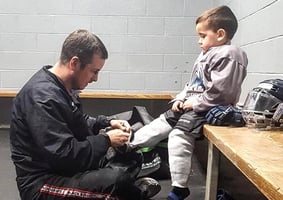


It’s January. The current season is still in full swing, yet parents, coaches, players, and even...
Success Is Not An Accident: Part 3
In Part 1 and Part 2, we focused on responsibility, discipline, accountability, composure, toughness, and character. These habits build the foundation for any young athlete who wants to grow not only in sport, but as a human being.
Part 3 shifts into habits that shape long term success. These habits come from experience, hard truths, and the reality that the players who grow the fastest are the ones who outwork, outlearn, and outlead everyone else. Parents guide the environment. Players build the habits.
Work Ethic Outlasts Talent
Talent gets you noticed. Talent opens doors. But talent does not keep you on a roster. Work ethic does. Every league, at every level, is filled with skilled players. Very few consistently outwork everyone around them.
Great athletes understand that talent is a starting point, not a destination. When everything gets harder, faster, and more competitive, work ethic becomes the difference maker. The player who works with purpose every day grows when others plateau.
Action Items for Players
• Do the extra rep when others stop
• Train with intention, not just motion
• Build routines that hold you accountable on tired days
• Show consistent effort across school, home, and the rink
Action Items for Parents
• Praise work ethic more than talent
• Reinforce that effort is always a choice
• Support consistent routines and habits
• Encourage growth through commitment, not shortcuts
No One Is Coming To Save Your Career
There is no magic coach. There is no perfect team. There is no guaranteed opportunity coming around the corner. Development is not something that happens to you. Development is something you take responsibility for.
Players who wait for someone else to fix their situation move slowly. Players who take ownership move forward faster. Success belongs to the athletes who stop waiting and start building.
Action Items for Players
• Create your own development plan and follow it
• Seek improvement instead of waiting for permission
• Take responsibility for your strengths and weaknesses
• Challenge yourself to improve one thing every week
Action Items for Parents
• Avoid blaming coaches or teams for lack of growth
• Encourage your child to solve their development gaps
• Reinforce ownership instead of relying on external fixes
• Help them set personal goals and track progress
Respect Teammates Through Action
Respect is not earned by talking, chirping, or demanding attention. Respect is earned through the way you compete, support, and carry yourself. It shows in your backcheck. It shows in how you respond when teammates struggle. It shows in whether you play honestly and with integrity.
The strongest locker rooms are built on actions, not words.
Action Items for Players
• Backcheck hard even when tired
• Support teammates through effort, not speeches
• Compete honestly every day
• Treat every teammate with respect regardless of role
Action Items for Parents
• Reinforce the importance of humility and team commitment
• Avoid speaking poorly about teammates or families
• Celebrate teamwork and effort more than individual stats
• Encourage empathy and support within the group
Asking For Coaching Is Strength
The smartest players are the ones who ask questions. They seek feedback. They want to be coached. Silence, pride, and pretending to know everything slow development faster than anything else.
Coachable players grow quickly because they are willing to learn. They are open. They stay curious. They do not fear correction because they know correction leads to improvement.
Action Items for Players
• Ask coaches what you need to improve
• Take feedback without taking it personally
• Show coaches you want to learn, not hide
• Ask teammates for help when needed
Action Items for Parents
• Normalize asking questions and seeking guidance
• Avoid shaming your child for not knowing something
• Encourage curiosity and growth
• Praise effort to learn, not perfection
Failure Is Data, Not Identity
Every player makes mistakes. Missed shots, bad shifts, turnovers, and tough games happen to everyone. Failure is not who you are. It is information. Learn from it quickly, make adjustments, and keep moving.
Fear of mistakes kills creativity. Players who embrace failure as feedback grow faster, play freer, and develop confidence rooted in the process.
Action Items for Players
• Review mistakes without emotional judgment
• Treat each failure as one piece of information
• Let go of perfection and focus on improvement
• Practice creative plays without fear of messing up
Action Items for Parents
• Avoid focusing on mistakes after games
• Celebrate effort and learning moments
• Encourage your child to try new things
• Reinforce that failure is part of development
Learn Healthy Habits Early
The earlier players build strong habits, the easier the game becomes later. Sleep, nutrition, recovery, and preparation matter. Bad habits catch up quickly as competition gets tougher and faster.
Great athletes understand that habits outside the rink impact performance inside the rink.
Action Items for Players
• Build a consistent sleep schedule
• Fuel your body with healthy food before games and practices
• Stretch and recover properly after activity
• Prepare equipment and gear with care
Action Items for Parents
• Create healthy routines at home
• Provide nutritious food choices
• Encourage recovery and rest on off days
• Support organized habits around preparation
These habits shape resilient, independent, and grounded young athletes. Part 3 reinforces that success is built through consistency, humility, work ethic, curiosity, and personal responsibility. When these values become daily habits, athletes not only grow in sport but grow as leaders, teammates, and young adults.
4Check Hockey,
hockey safety,
Traits,
Great Athletes,
Sports,
Youth,
hockey parenting,
youth sports development,
raising hockey players,
sports psychology,
long-term athlete development,
positive sports parenting,
hockey life lessons,
hockey culture,
kids and sports,
hockey development,
Player Identity,
Player Development,
Parenting Advice,
Hockey parent