

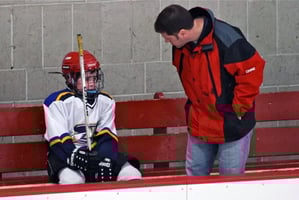
Pressure in youth sports has reached an all-time high. Kids feel it, parents feel it, and coaches...
The Pressure Cooker: Why Kids Quit Sports (Part 1)
Our goal when teaching our kids about sports was simple: teach them to love the game. It does not matter what game it is. If they give it a real chance and do not love it, move on to the next interest that sparks them. When I mentored other youth players, my advice was always the same: find the best coach who will develop you as a person and as a player, and play until it is no longer fun, IT'S A GAME. Let’s face it, most of us reach a point when the game is not fun anymore, we just reach it at different ages.
Youth sports should be a safe space for kids to learn, grow, and have fun. But for millions of children, that dream ends far too soon. According to the National Alliance for Youth Sports, 70% of kids quit organized sports by age 13. That is not just a number, it is a warning sign. The pressure to perform, constant judgment, and the disappearance of fun have turned what should be a joyful experience into a high-stakes competition. If we do not change the culture, we are going to keep losing kids, not just from sports, but from opportunities to build confidence, resilience, and lifelong health.
The Problem: Judgment and Pressure
The sidelines have become a pressure cooker. Parents yell instructions during games, criticize mistakes, and compare their kids to others. Coaches push for wins instead of development. Social media adds another layer, where highlight reels and rankings make kids feel like they are always being evaluated. For a 10-year-old, that is overwhelming. Instead of focusing on learning and improving, they are terrified of failing, and when fear replaces fun, quitting becomes the easiest option.
The Fun Factor Is Gone
Sports used to be about playing with friends, laughing, and loving the game. Today, it is about scholarships, elite teams, and highlight videos. Kids are being treated like mini-professionals before they even hit puberty. When every game feels like a job interview, the joy disappears. And here is the truth: kids do not quit because they are lazy, they quit because the game stopped being fun.
The Ripple Effect
When kids walk away from sports, they lose more than just the game. They lose opportunities for physical fitness, social skills, and mental toughness. They miss out on learning how to handle adversity, work as a team, and build confidence. These are life skills that go far beyond the scoreboard. And when 70% of kids quit by 13, we are failing an entire generation.
What Parents Can Do Now
Stop coaching from the sidelines. Your child does not need two coaches. Yelling instructions during games adds stress and confusion. Let the coach do their job, your role is to support and encourage.
Focus on effort, not outcome. Celebrate hustle, teamwork, and improvement, not just wins and stats. Praise the process, not the result. This teaches kids that growth matters more than perfection.
Keep perspective. Your child’s future does not hinge on one game or one season. Do not make sports feel like life or death. When parents act like every play is a career-defining moment, kids feel suffocated.
Ask them if they are having fun. It sounds simple, but it is powerful. If the answer is no, something needs to change immediately. Fun should always be the foundation of youth sports.
What Parents Can Do in the Future
Set realistic expectations. Not every kid will play college or pro sports, and that is okay. Pushing unrealistic goals creates unnecessary pressure and resentment.
Model positive behavior. Kids mirror what they see. If you respect coaches, referees, and other players, your child will too. If you scream at refs or trash-talk other kids, guess what they will learn?
Create balance. Encourage other interests outside of sports. When a child’s entire identity revolves around performance, burnout is inevitable.
Advocate for mental health. Normalize conversations about stress and anxiety in sports. Let kids know it is okay to feel pressure, and that it is okay to ask for help.
Closing Thought
Sports should build kids up, not break them down. If 70% of kids are quitting by 13, the system and the culture need a reset. Parents hold the power to change this. Start by asking yourself: Am I adding pressure or removing it? The answer could be the difference between a child who loves the game and one who walks away forever.
4Check Hockey,
Coaching,
Player Safety,
Parents,
Fear,
Scared,
Traits,
Sports,
Struggles,
Youth,
hockey parenting,
love for the game,
youth sports development,
avoiding burnout,
raising hockey players,
hockey life lessons,
kids and sports,
Player Identity,
Team Culture,
Hockey Performance,
Player Development